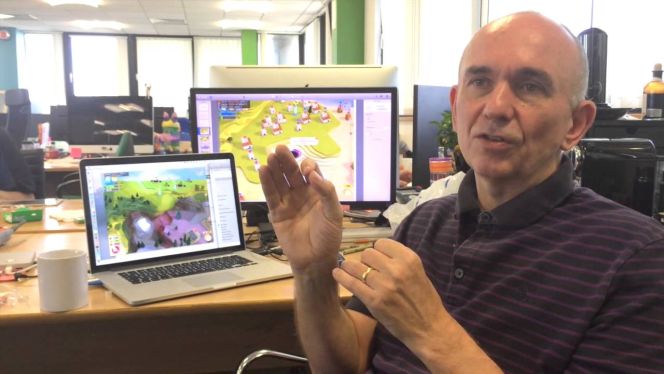
Peter Molyneux is a name that once carried the weight of innovation in gaming. From Populous to Black & White, his vision helped define creative ambition in the medium. But behind the glowing press tours and viral crowdfunding campaigns lies a trail of broken promises—each one leaving real people out of pocket, disillusioned, and in some cases, professionally wounded.
This isn’t just about hype. It’s about what happens when a revered creator’s grand promises collapse under reality. The real cost wasn’t paid by Molyneux alone. It was shouldered by backers, early investors, developers, and publishers who believed—sometimes too deeply—in a dream that never materialized.
Here are the players who lost big on Peter Molyneux’s failed legacy.
The Crowdfunding Backers: Passion Met with Empty Promises
When Godus launched on Kickstarter in 2012, it raised over $870,000 from nearly 17,000 backers. Marketed as a spiritual successor to Populous, it promised god-game mechanics with persistent worlds, emergent storytelling, and player-driven evolution. The campaign video showed lush terrain shifting under divine hands, civilizations rising and falling based on player will.
Backers didn’t just buy a game—they bought a revolution.
But what shipped in 2014 was a skeletal, monetized shell. The final product lacked core features, including multiplayer and procedural world generation. Worse, updates stalled for years. The promised “living world” became a static toy with in-app purchases for basic functions.
For backers like Mark Travers, a UK-based game designer who pledged £100 for early access and a developer kit, the fallout was personal. “I backed it because I believed in the vision,” he said. “But after two years of silence, I realized I’d funded someone’s salary, not a game.”
Many backers feel they were used as venture capital without accountability. Unlike traditional publishers, Kickstarter doesn’t require deliverables. Molyneux’s studio, 22cans, delivered something—just not what was sold.
The Investors Who Funded a Vision, Not a Product
Crowdfunding wasn’t the only source of capital for 22cans. Private investors poured in millions, betting on Molyneux’s name. Reports suggest early funding rounds raised between $5–10 million from tech and entertainment investors drawn to Molyneux’s legacy.
These weren’t casual fans. They were venture capitalists and angel investors who saw Molyneux as a safe bet in the unpredictable indie space. One investor, who wished to remain anonymous, told TechPlay Magazine: “We didn’t invest in Godus. We invested in Peter. His track record at Lionhead gave him credibility. That credibility was the collateral.”
But Godus never generated meaningful revenue. When 22cans pivoted to mobile with Legacy, a blockchain-adjacent god game, it failed to gain traction. By 2021, the studio was largely inactive, and investor returns were near zero.
The lesson? In gaming, brand equity doesn’t scale like tech IP. A legendary designer isn’t a growth metric. And when vision outpaces execution, even the most seasoned investors get burned.
The Developers Trapped in the Hype Cycle
While Molyneux gave interviews promising god-like control and AI-driven civilizations, the reality inside 22cans was different. Former employees describe a studio caught between ambition and instability.
One developer, who worked on Godus during its early access phase, said: “We were building a cathedral on quicksand. Every feature we demoed was a prototype. There was no scalable architecture—just smoke and mirrors for press events.”
The pressure to meet Molyneux’s public claims led to crunch, turnover, and a fractured roadmap. According to multiple sources, the team frequently reworked core systems because the promised AI and procedural generation were technically unfeasible at consumer-grade scale.
By 2016, half the development team had left. Some moved to studios with clearer product goals, like Hello Games (No Man’s Sky) and Media Molecule. Others left the industry entirely, disillusioned by the gap between hype and deliverability.
This is a recurring cost of Molyneux’s style: talented developers paying in lost time, mental strain, and career momentum.
The Publishers Who Walked Away Scarred
Even before 22cans, Molyneux’s relationship with publishers was fraught. At Lionhead Studios, Microsoft funded Fable II and Fable III—games that shipped late, over budget, and under-delivered on promises.
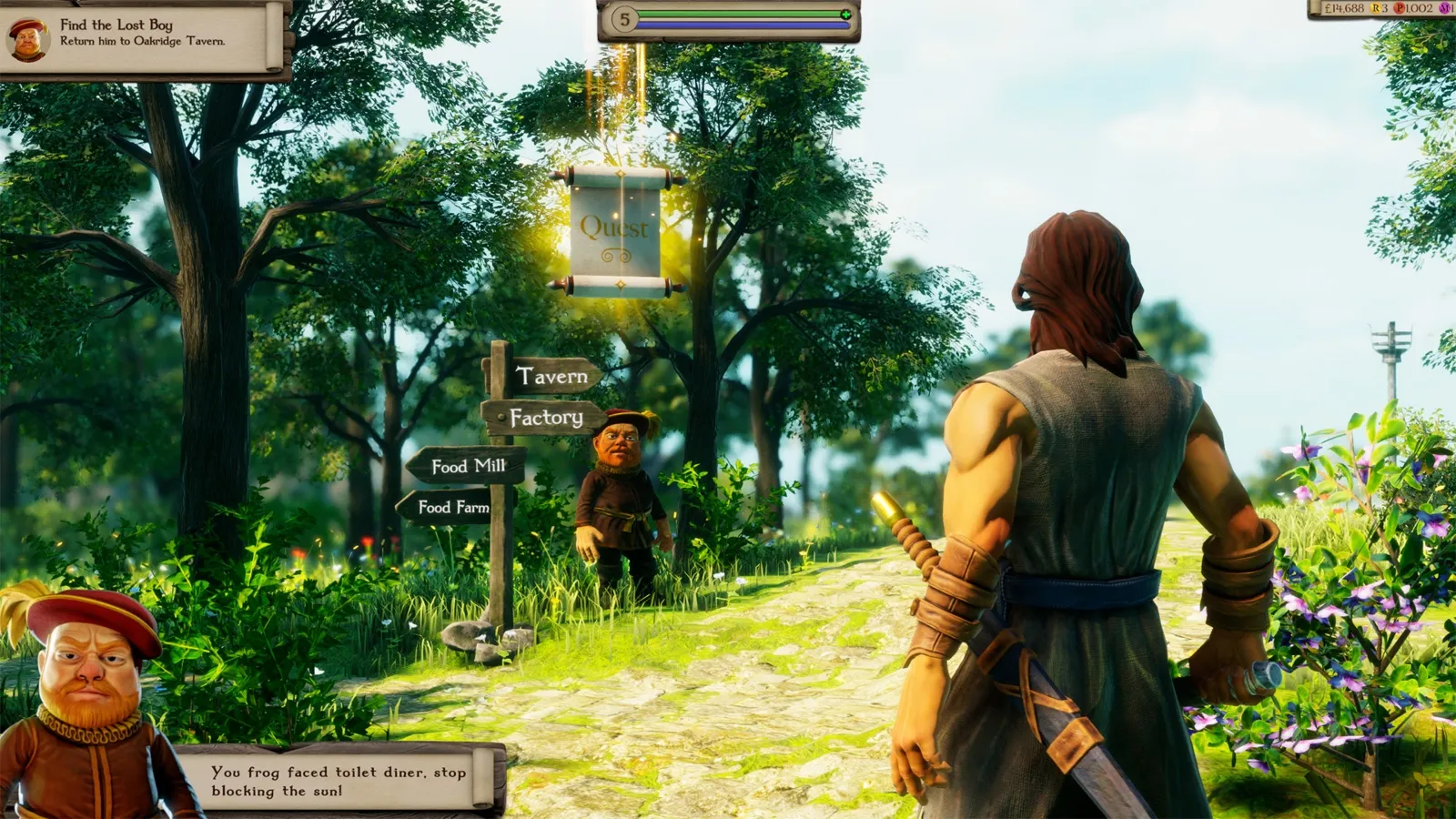
Fable III is a textbook case. Marketed with revolutionary AI, a dynamic economy, and moral consequences affecting gameplay, the final product offered a shallow morality system and a rushed second half. At launch, Molyneux claimed the game “changed how stories are told in games.” Critics called it “unfinished.”
Microsoft absorbed the financial loss, but internally, trust in Molyneux eroded. By 2012, reports indicated Microsoft was limiting his creative control. When Lionhead shut down in 2016, just months after Fable Legends was canceled, the message was clear: even deep-pocketed publishers have limits.
“For a while, Peter had a blank check,” said a former Microsoft gaming exec. “But when you over-promise repeatedly, the publisher becomes the scapegoat for disappointment. Eventually, they stop signing the checks.”
The Fans Who Lost Faith in Game Development
Beyond money and careers, Molyneux’s legacy damaged something harder to quantify: trust in game creators.
For years, fans defended him. “He’s ambitious!” “He thinks differently!” But after Godus, Curiosity, and Legacy, a cultural shift occurred. Gamers started using “Molyneux” as shorthand for vaporware. When a developer over-hypes a feature, fans now say, “Don’t Molyneux us.”
This matters. Over-promising doesn’t just hurt one studio—it makes audiences skeptical of all innovation. Indie developers with real breakthrough ideas now face an uphill battle convincing jaded backers.
Take Starfield, for example. When Todd Howard over-promised on procedural quests, fans immediately compared it to Molyneux’s track record. The backlash wasn’t just about Starfield—it was about a decade of broken promises poisoning the well.
Molyneux didn’t create this culture alone, but he became its most visible symbol. And fans, in their eagerness to believe, paid the emotional price.
The Cost of Vision Without Accountability
Molyneux isn’t a fraud. He genuinely believes in the games he describes. His problem isn’t dishonesty—it’s a fatal blend of optimism, poor scope management, and a lack of accountability.
He speaks in finished product terms while still in concept phase. He demos prototypes as if they’re shipping features. And when the gap between dream and delivery widens, he retreats—into silence, pivots, or new projects.
Compare this to industry figures like Hideo Kojima or Jenova Chen. They also pursue bold ideas (Death Stranding, Journey), but they ship. Their ambition is grounded in iterative development, transparent communication, and realistic roadmaps.
Molyneux’s model reversed that formula: announce big, raise money, then figure it out. That might work in tech startups, but games are creative products with hard delivery dates and consumer expectations.
The cost? Lost investments. Burned developers. Broken trust.
What the Industry Learned—And Still Ignores
Despite the lessons, the cycle continues. New studios launch Kickstarter campaigns with cinematic trailers and vague gameplay. Influencers hype unreleased features. Backers pledge thousands.
And when the game under-delivers, the creators offer “sincere apologies” and “lessons learned”—but keep their funding.
The Godus story should have been a cautionary tale. Instead, it became a playbook: - Use legacy to gain trust - Sell a finished vision for an unfinished product - Fund development through community goodwill - Pivot or disappear when expectations can’t be met
Platforms like Kickstarter and Steam Early Access enable this. But without enforceable delivery standards, creators like Molyneux operate with impunity.
Some studios now adopt “minimum viable feature” disclosures—listing exactly what’s confirmed versus speculative. Others release regular dev logs with progress metrics. These practices build trust. Molyneux’s teams rarely adopted them.
Closing: Belief Is Not a Development Roadmap
Peter Molyneux’s legacy is no longer just about the games he made. It’s about the people who believed in them—too much, too soon.
Backers lost money. Investors lost returns. Developers lost years. Publishers lost faith. Fans lost trust.
None of this means ambition should be punished. Gaming needs dreamers. But dreams require discipline. Vision needs verification. And creators, no matter how legendary, must be held accountable when they sell certainty for possibility.
If you’re backing a game, ask: - What’s been shipped, not shown? - Is the team transparent about limitations? - Are promises tied to milestones?
Because the cost of blind faith isn’t just financial. It’s cultural. And once trust is broken, it’s the entire industry that suffers.
FAQ
Who funded Godus? Godus was primarily funded through Kickstarter, raising $870,000 from backers, with additional private investment estimated between $5–10 million.
Did Peter Molyneux profit from failed games? While exact figures aren’t public, Molyneux’s studio 22cans received millions in funding. He paid himself a salary during development, despite the games’ commercial failure.
What happened to 22cans? 22cans became inactive by 2021, with no major releases after Godus and Legacy. The studio’s website and social channels are no longer updated.
Why did Godus fail? Godus failed due to over-promising, technical limitations, poor scope management, and a lack of transparent development updates.
Is Peter Molyneux still making games? As of 2024, Molyneux is not actively developing or releasing new games. His last major project, Legacy, was quietly discontinued.
Did Microsoft lose money on Lionhead Studios? Yes. Lionhead’s later titles, especially Fable Legends, were canceled after significant investment. Microsoft shut down the studio in 2016.
Can you trust a veteran game designer’s new project? Track record matters, but always verify current development transparency, shipped prototypes, and realistic roadmaps—especially with crowdfunding.